
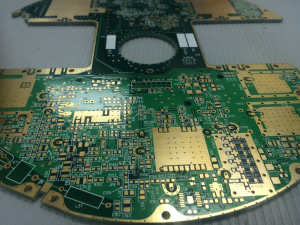
When I first started designing electronic devices, one of the most challenging decisions I faced was selecting the right flexible PCB manufacturer. Flexible printed circuit boards (PCBs) are essential for compact, lightweight, and high-performance devices, but choosing a manufacturer without careful consideration can lead to delays, increased costs, and even product failures. Over time, I’ve learned that making the right choice requires a mix of technical evaluation, communication, and strategic thinking.
Understand Your Application Requirements
Before contacting any manufacturer, I always start by clearly defining my project’s requirements. Flexible PCBs come in many forms—single-layer, double-layer, rigid-flex, or multi-layer designs. Each has unique constraints regarding thickness, flexibility, thermal management, and component density. For instance, wearable devices demand ultra-thin, lightweight flexible circuits, while automotive applications often require high-temperature-resistant materials.
I make a checklist of critical factors:
- Maximum and minimum bending radius
- Number of layers
- Surface finish and material type
- Current capacity and signal integrity needs
By having these parameters upfront, I can quickly determine whether a manufacturer has the capability to meet my specifications.
Evaluate Manufacturing Capabilities
Not all manufacturers are created equal. When I search for a reliable flexible PCB manufacturer capable of high-density circuits, I examine their production capabilities carefully. Some manufacturers specialize in high-volume, standard PCBs, but flexible boards demand precision equipment and experience with advanced materials like polyimide and coverlay films.
I pay attention to:
- Equipment:Are they equipped for high-density interconnects (HDI) or rigid-flex boards?
- Prototype Support:Can they handle low-volume prototypes efficiently?
- Quality Control:Do they provide in-process inspection and testing methods such as AOI (Automated Optical Inspection) and impedance testing?
A manufacturer with robust capabilities not only produces better boards but also reduces the risk of defects that could halt my production line.
Check Certifications and Quality Standards
Quality standards give me confidence that a manufacturer can deliver reliable PCBs consistently. I always check for ISO 9001 or UL certifications, and, depending on the application, additional certifications like IPC-A-600 compliance or RoHS compliance might be critical.
When I worked on a medical device project, these certifications became non-negotiable. I learned the hard way that skipping this step could result in product recalls or regulatory setbacks.
Review Experience and Track Record
Experience matters. I look for a flexible PCB manufacturer with a proven track record in producing complex, high-performance circuits. If they have experience producing flexible PCBs for consumer electronics, wearables, or industrial controls, I feel more confident that they understand the challenges specific to my application.
Case studies, client testimonials, and sample portfolios are invaluable here. They provide insight into problem-solving approaches, innovation capabilities, and reliability under real-world conditions.
Consider Communication and Support
One factor I sometimes underestimate is communication. A manufacturer may have top-tier technology, but if they can’t communicate clearly, I risk delays and misunderstandings. I pay attention to responsiveness, technical knowledge, and willingness to provide guidance during design and production.
I always test this by asking a few detailed technical questions early in the process. Manufacturers who respond promptly and provide clear explanations save me headaches later. If I need to clarify complex flex designs, I want someone who can translate my schematic into a manufacturable board without losing fidelity.
Compare Lead Times and Pricing
Budget and timing always matter. I’ve learned that the cheapest option isn’t always the most cost-effective. A manufacturer who cuts corners may deliver faster but could compromise quality. Conversely, a high-end manufacturer may provide premium service but exceed my budget.
I evaluate lead times, prototyping options, minimum order quantities, and cost structures. By comparing multiple manufacturers, I can strike a balance between affordability, quality, and delivery speed. Sometimes paying a little extra upfront avoids expensive redesigns later.
Ask About Post-Production Services
Post-production support is another often-overlooked factor. Can the manufacturer provide testing, assembly assistance, or technical troubleshooting if issues arise after production? When I worked with a manufacturer that offered post-production consultation, they helped me adjust my design for better yield, saving both time and money.
Make the Decision and Build a Partnership
After gathering all this information, I make a decision not just based on price or speed but on overall alignment with my project goals. A strong partnership with a flexible PCB manufacturing partner can significantly enhance my product’s success. Good manufacturers act as collaborators rather than just suppliers—they offer suggestions, anticipate issues, and support innovation.
If you’re ready to start a conversation with a trusted partner, I recommend you contact us for personalized guidance on your flexible PCB project. Providing your design requirements upfront ensures that your manufacturer can offer the best advice, prototyping options, and production strategy.
Final Thoughts
Choosing the right flexible PCB manufacturer is about more than cost—it’s about capability, quality, communication, and alignment with your application. By carefully evaluating requirements, certifications, experience, and support services, I’ve consistently minimized risk and maximized performance in my projects.
When I follow this structured approach, I gain peace of mind knowing my flexible PCB is in capable hands. Whether it’s for a wearable, a drone, or a complex industrial system, the right manufacturer becomes a true partner in bringing my ideas to life.
